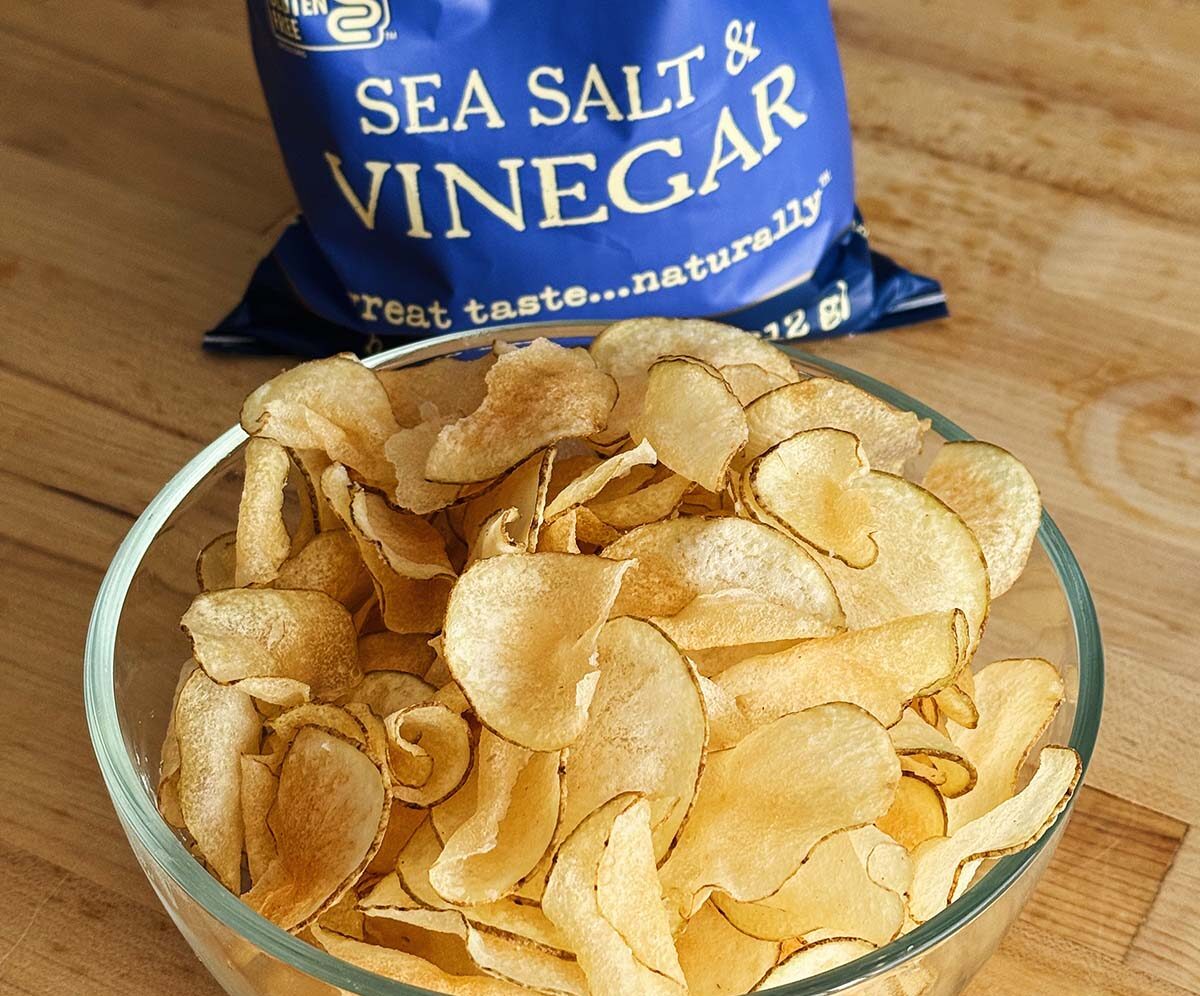
The Best Homemade Salt and Vinegar Potato Chips (Science-Backed)
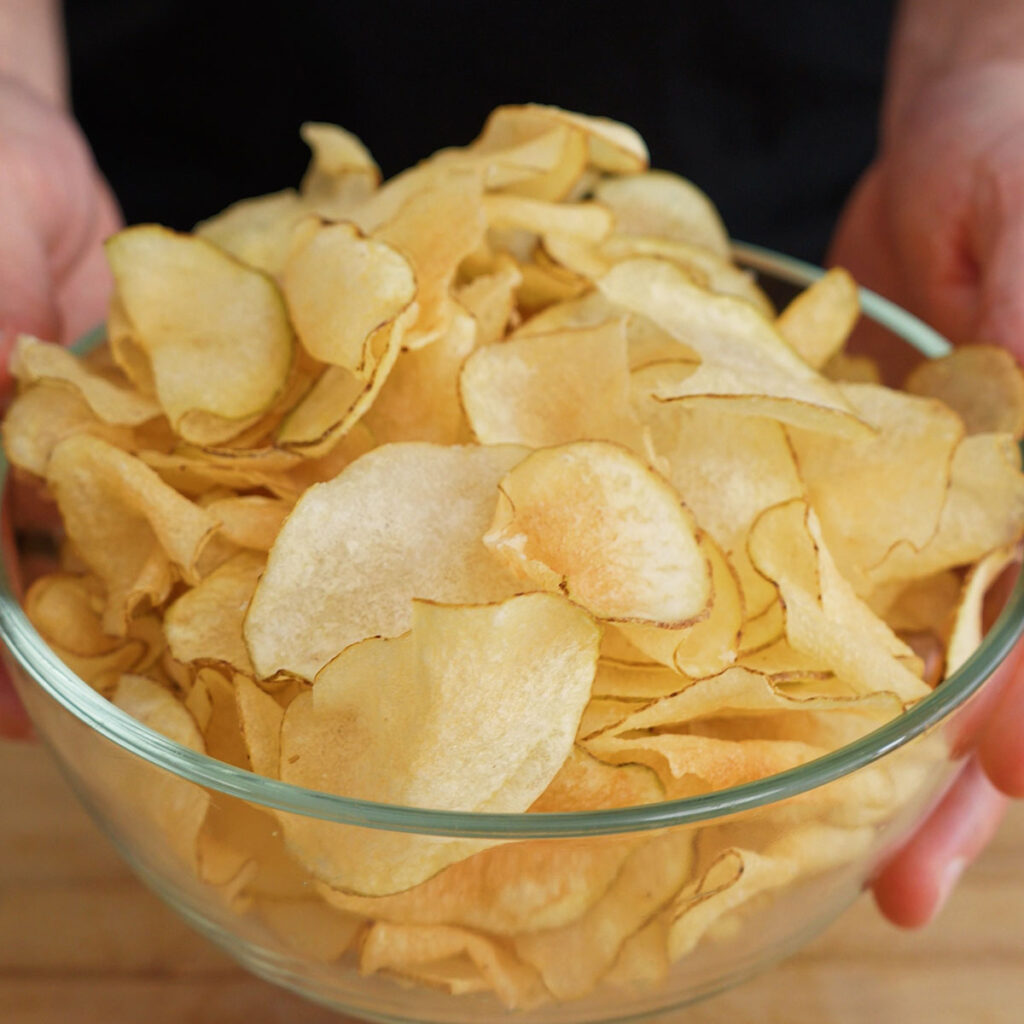
If you have ever tried to recreate your favorite Kettle brand Salt and Vinegar Potato Chips at home, you have probably run into two massive, frustrating problems. First, they often turn out completely soggy. Second, they tend to burn into dark, bitter discs before they ever get truly crispy in the center.
Today, we are solving both of those problems using pure food science. We are going to make the crunchiest, most intensely flavored Salt and Vinegar Potato Chips you have ever tasted, and we are doing it entirely from scratch.
🛒 Shop the Recipe
To get that intense, true salt and vinegar flavor without making your chips soggy, having the right dry ingredients is absolute key. Here are the exact food science ingredients and tools I use to make this recipe:
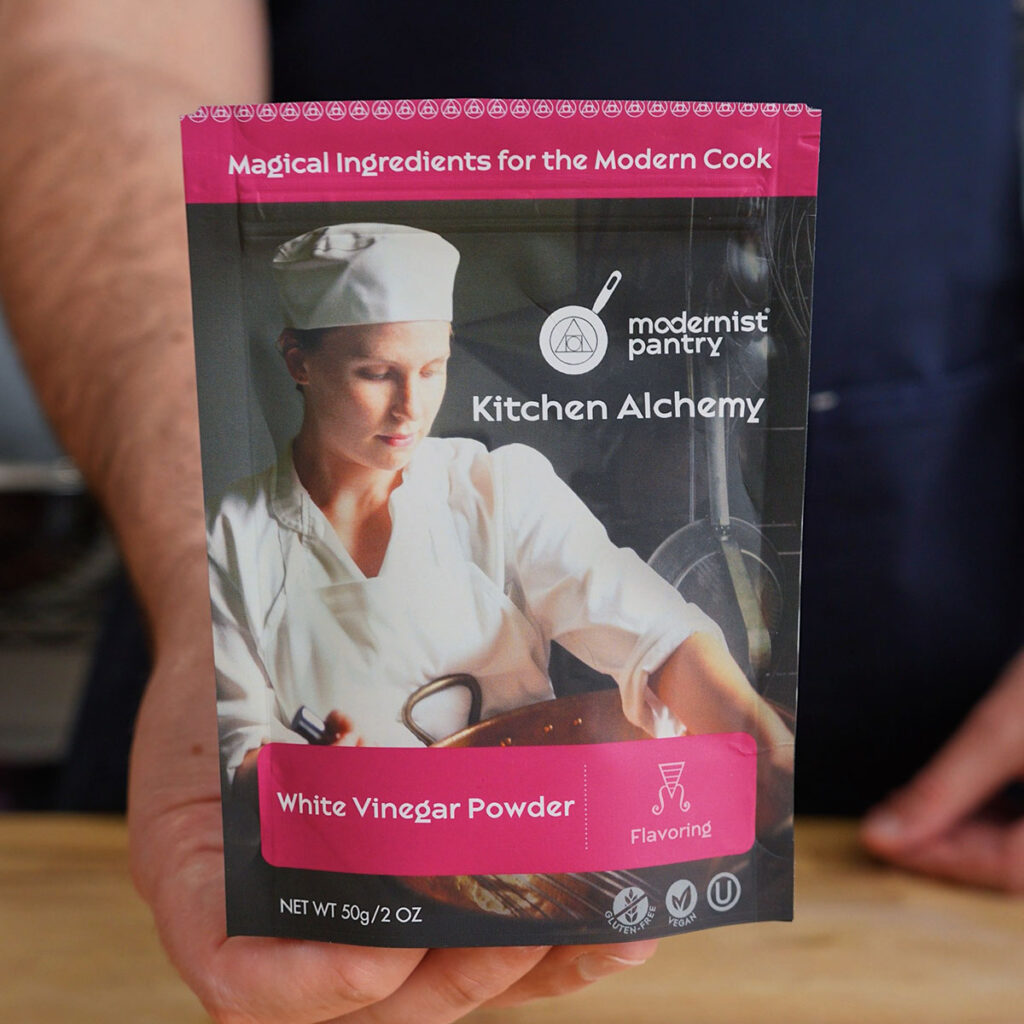
- Modernist Pantry White Vinegar Powder (The ultimate secret ingredient!)
- Food-Grade Citric Acid
- Mandoline Slicer (Crucial for getting ultra-thin, uniform potato slices)
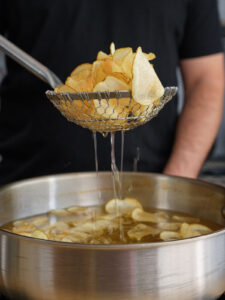
- Wire Spider Skimmer
As an Amazon Associate, I earn from qualifying purchases at no extra cost to you!
The Secret to True Salt and Vinegar Flavor
Most home cooks try to flavor their homemade Salt and Vinegar Potato Chips by tossing them in standard liquid white vinegar right after frying. What happens? You instantly introduce water back into a potato slice that you just spent 20 minutes trying to perfectly dehydrate!
The absolute game-changing secret ingredient here is White Vinegar Powder. Specifically, I use the White Vinegar Powder from Modernist Pantry. This brilliant ingredient is essentially dehydrated vinegar sprayed onto a modified starch carrier. It delivers all the bright, acidic punch you want in your Salt and Vinegar Potato Chips without adding a single drop of moisture that would ruin the crunch.
The Food Science of Perfectly Crispy Potatoes
To make the best Salt and Vinegar Potato Chips, you have to understand the chemistry of a russet potato and how it reacts to heat.
Why We Rinse and Soak Overnight Potatoes naturally contain starches and reducing sugars, like glucose. When you drop a potato slice into hot oil, those reducing sugars react with the natural proteins in the potato—this is known as the Maillard reaction. The Maillard reaction is exactly what is responsible for the browning of your food.
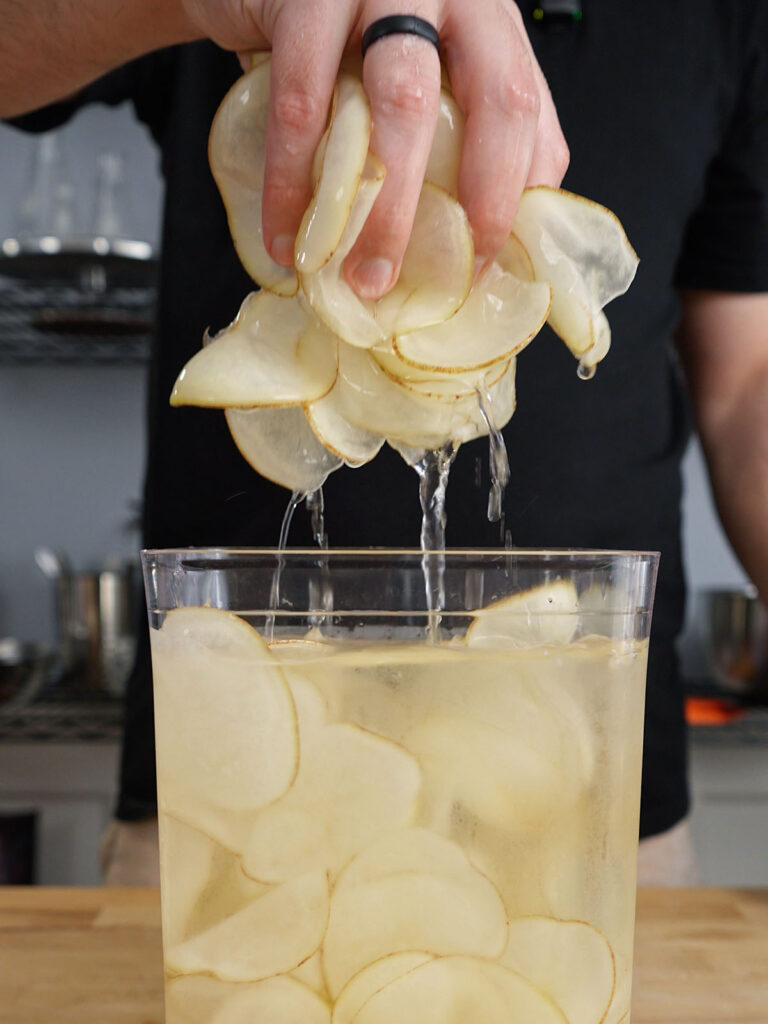
If you slice a russet potato and fry it immediately, the high concentration of surface sugars will cause the chip to caramelize and burn long before the water inside the potato can fully evaporate. By rinsing the slices and soaking them in cold water in the fridge overnight, you use osmosis to leach those soluble reducing sugars and excess starches out of the potato. This drastically lowers the surface glucose, allowing you to fry the chip until it is completely dehydrated and crispy without it turning dark and bitter.
Why We Fry at 300°F Temperature control is just as important as the overnight soak. The browning reactions (like the Maillard reaction) happen much faster at higher temperatures. While many recipes call for frying at 350°F or even 375°F, we are dropping our oil temperature down to exactly 300°F for these Salt and Vinegar Potato Chips.
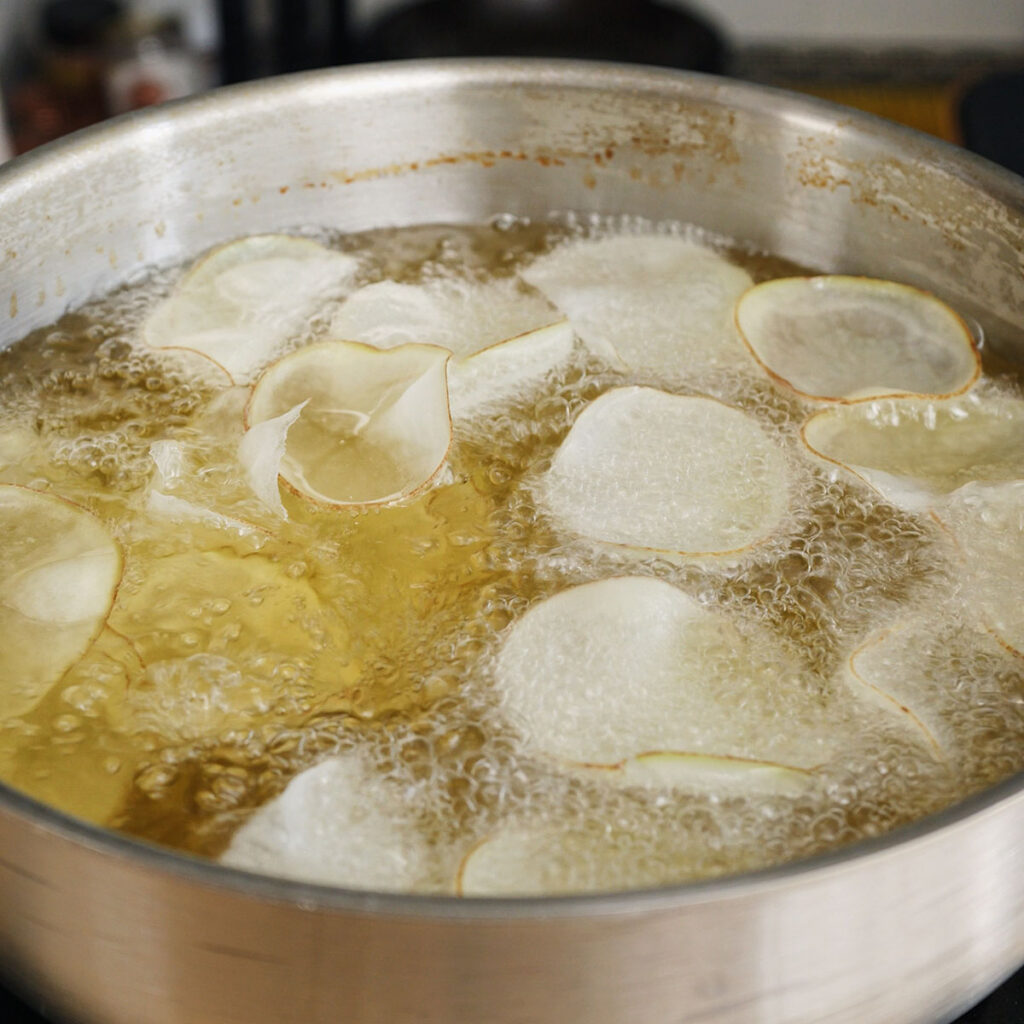
This lower temperature gives the water inside the incredibly thin potato slices enough time to safely boil off and escape. By the time the chip is fully dehydrated and crispy, the gentle heat has prevented the remaining sugars from burning. You get a perfect, pale golden chip that shatters perfectly when you bite into it.
Mixing the Perfect Seasoning Blend
Our custom seasoning blend for these Salt and Vinegar Potato Chips hits every single taste receptor on your palate. You will need:
- 25g White Vinegar Powder: For that intense, dry, mouth-watering acidity.
- 20g Kosher Salt: To enhance all the savory flavors.
- 2g Citric Acid: This acts as a flavor booster, making the vinegar taste sharper and more vibrant on the tongue.
- 2g Sugar: A tiny amount of sugar won’t make the chips sweet, but it perfectly balances out the harshness of the extreme acid.
Throw all of these ingredients into a blender or a spice grinder and pulse them into an ultra-fine dust. You will have way more seasoning than you need for just one batch of chips! You can save the rest in an airtight jar for your next snack session, or even sprinkle it over my Perfect Movie Theater Popcorn Recipe for an amazing flavor upgrade!
How to Make Salt and Vinegar Potato Chips
1. Slice Thinly and Uniformly Use a high-quality mandoline slicer to get your russet potatoes as thin and uniform as possible. If the slices are uneven, the thin spots will burn while the thick spots remain chewy.
2. The Overnight Soak Plunge your freshly cut slices into a large container of cold water. Store them in the fridge overnight. This is the ultimate food science secret to remove those browning sugars.
3. Dry Completely Before frying, drain the potatoes and pat them completely dry with paper towels. Water and hot oil do not mix, and any excess water will drastically drop the temperature of your frying oil.
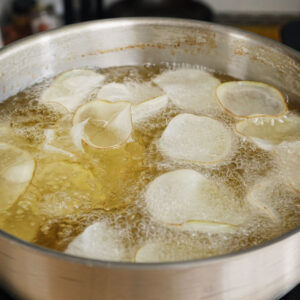
4. Fry at 300°F Heat your neutral frying oil to exactly 300°F. Fry the chips in small batches, stirring occasionally with a spider skimmer, until the rapid bubbling stops. When the bubbling completely stops, it means the water has fully evaporated and the chip is perfectly crispy!
5. Season Immediately As soon as you pull the hot Salt and Vinegar Potato Chips out of the oil, immediately dust them with your blended vinegar powder. The residual heat and microscopic droplets of oil on the surface of the chip will help the powder stick flawlessly. Remember, you just season them to taste—you don’t need to use the whole batch of powder!
Storage Tips for Homemade Chips
The absolute worst enemy of your Salt and Vinegar Potato Chips is humidity in the air. Because we used dry white vinegar powder instead of liquid vinegar, these chips will stay crispy for much longer than traditional recipes. However, to keep them perfectly fresh, store them in an airtight container or a heavy-duty ziplock bag at room temperature. Squeeze out as much air as possible before sealing them up!
Homemade Salt and Vinegar Potato Chips
Ingredients
Method
- Make the Seasoning: Add the white vinegar powder, kosher salt, citric acid, and sugar to a blender or spice grinder. Blend on high until it forms an ultra-fine powder. Set aside. (Note: You will have leftover seasoning for future batches!)
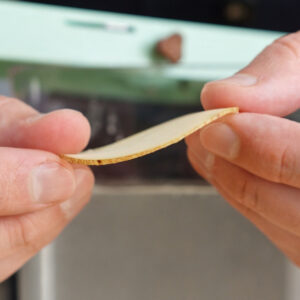
- Slice the Potatoes: Using a mandoline, carefully slice the russet potatoes into very thin, uniform rounds. About 2 mm in thickness.
- Soak Overnight: Place the potato slices into a large bowl or container and cover them completely with cold water. Place them in the refrigerator to soak overnight. This crucial step leaches out the excess reducing sugars to prevent the chips from burning/ browning in the fryer. Ideally this would soak for a minimum of 12 hours, but if you are in a hurry, just rinse and strain 3-4 times and you will still get a decent product.
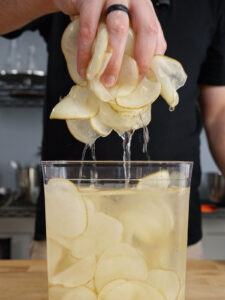
- Dry the Potatoes: The next day, drain the water and lay the potato slices out on paper towels. Pat them completely dry to prevent splattering in the oil.
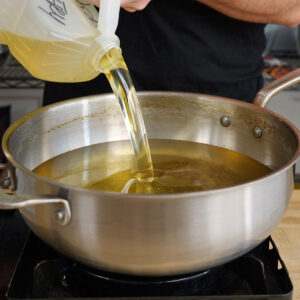
- Heat the Oil: Fill a large, heavy-bottomed pot or Dutch oven with your neutral frying oil. Attach a deep-fry thermometer and heat the oil to exactly 300°F.
- Fry: Working in small batches so you don't overcrowd the pot, carefully drop the dried potato slices into the oil. Fry them, gently moving them around with a spider skimmer, until the rapid bubbling stops (this indicates the moisture has cooked out) and the chips are pale golden brown.
- Season and Serve: Remove the chips from the oil, let the excess drip off, and place them in a large mixing bowl. While they are still hot, generously dust them with your prepared seasoning blend to taste. Toss to coat evenly. Enjoy immediately!
Nutrition
Video
Tried this recipe?
Let us know how it was!If you want a dipping sauce to go with these Salt and Vinegar Potato Chips you can always pair them with my Homemade Wingstop Ranch Sauce!