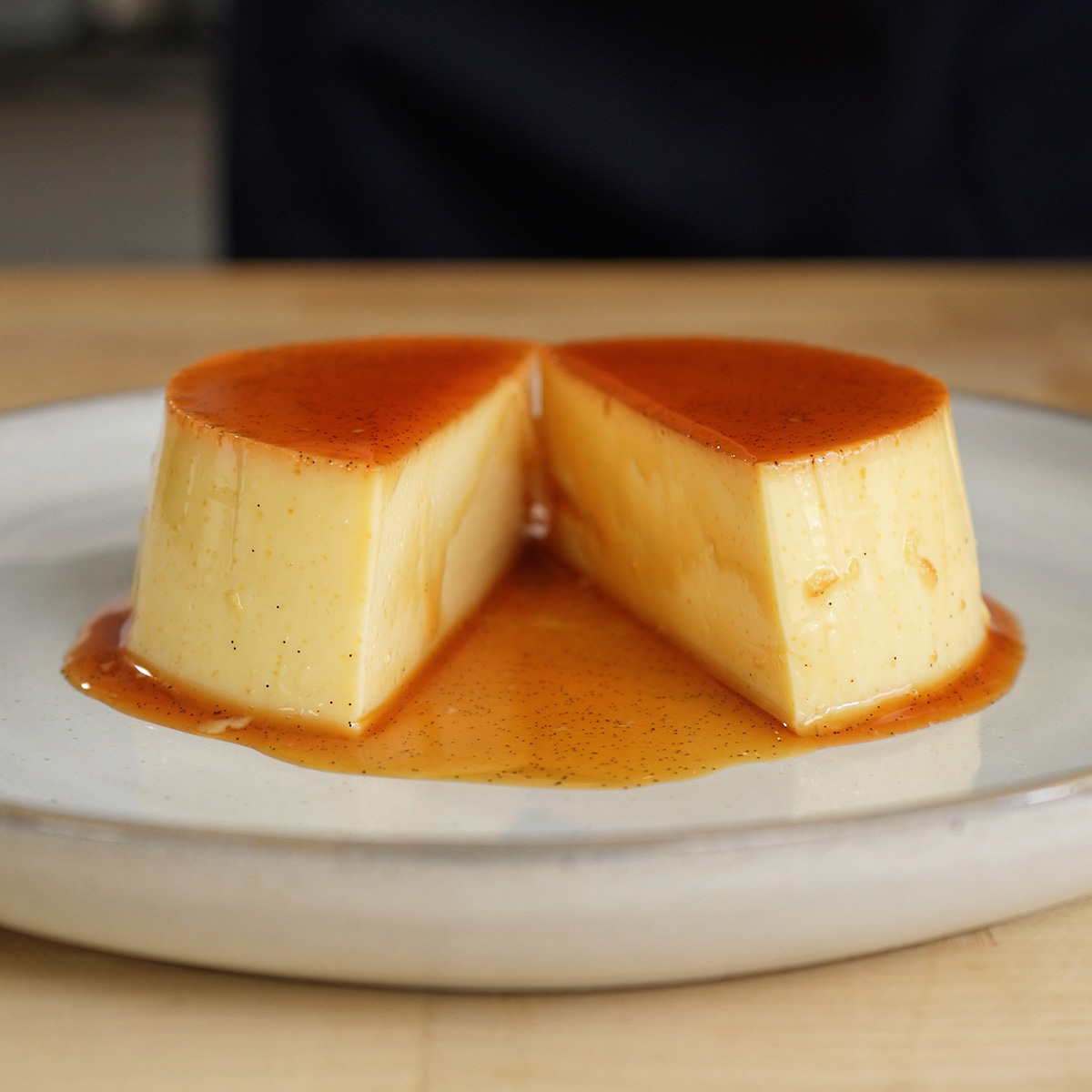
Homemade Flan: The Best Silky Dessert (Easy 5-Min Prep)
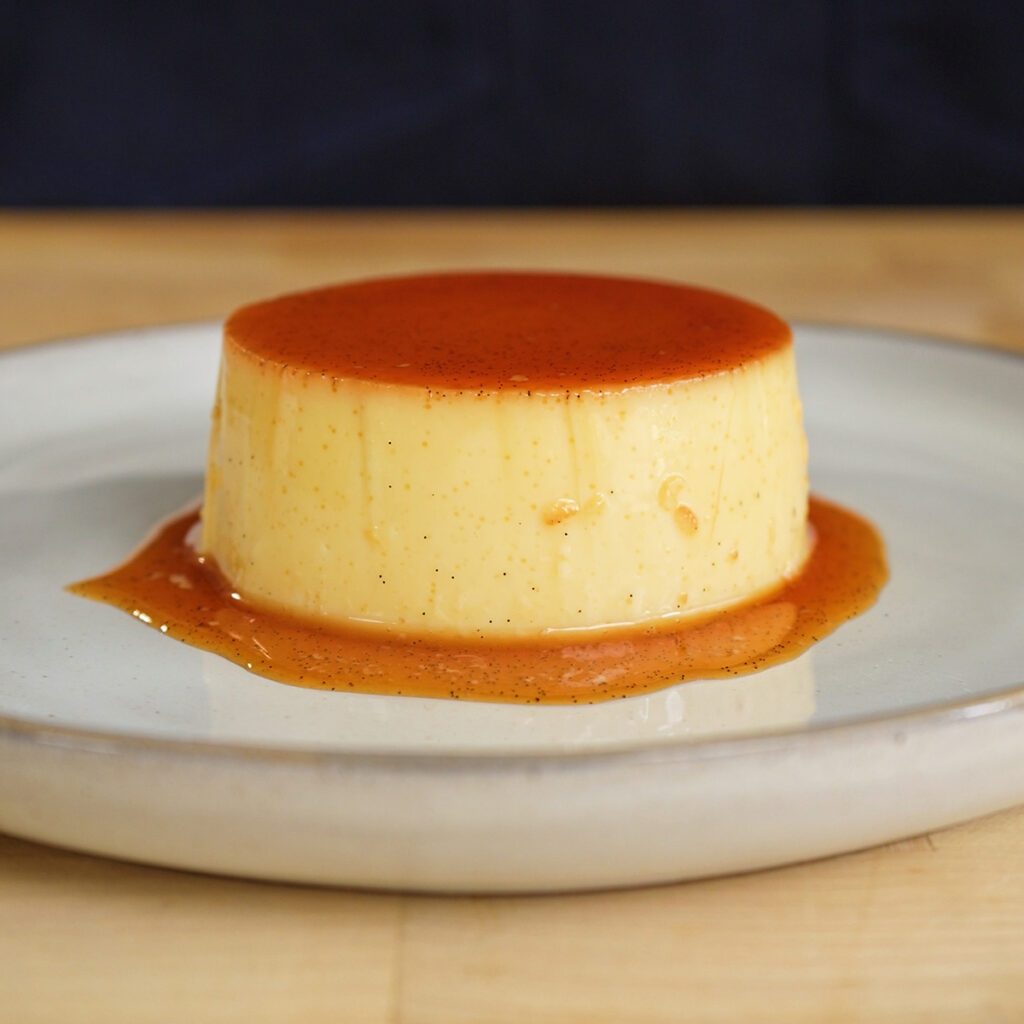
If you are looking for a homemade flan dessert that is arguably better than a traditional crème brûlée but requires a fraction of the effort, you have found it. This homemade flan is deeply rich, incredibly silky, and looks like it came straight out of a fine-dining kitchen. The best part? You can prep the entire recipe in under five minutes and let the oven do the rest of the work.
Many home cooks are deeply intimidated by the idea of making a true caramel from scratch or baking a delicate custard, but today we are breaking down the exact food science you need to succeed. We are going to make the absolute best homemade flan, and we are going to do it flawlessly on the very first try.
What Makes the Perfect Homemade Flan?
A perfect homemade flan comes down to two main components: a deeply flavorful, slightly bitter liquid caramel, and an ultra-smooth, perfectly set custard base.
While some traditional methods use just milk and sugar, we are using a specific combination of whole milk and sweetened condensed milk. The sweetened condensed milk has had a massive portion of its water content removed during manufacturing, leaving behind a concentrated, syrupy dairy product that gives our homemade flan a dense, velvety mouthfeel that standard milk simply cannot achieve on its own.
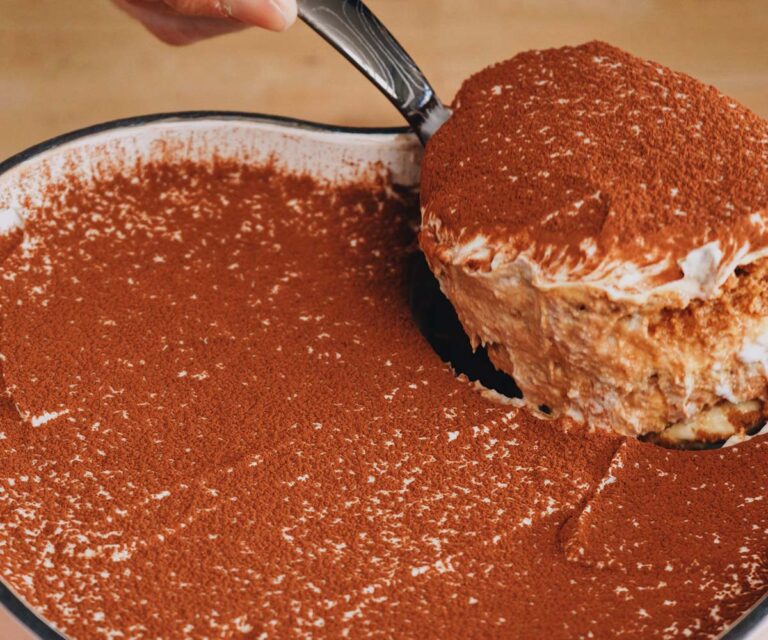
If you enjoyed the rich, creamy texture of my 5-Ingredient Biscoff Tiramisu, you are going to be completely obsessed with this dessert.
The Food Science of Homemade Flan
To truly master this dessert, we need to look at the chemistry happening inside the ramekin.
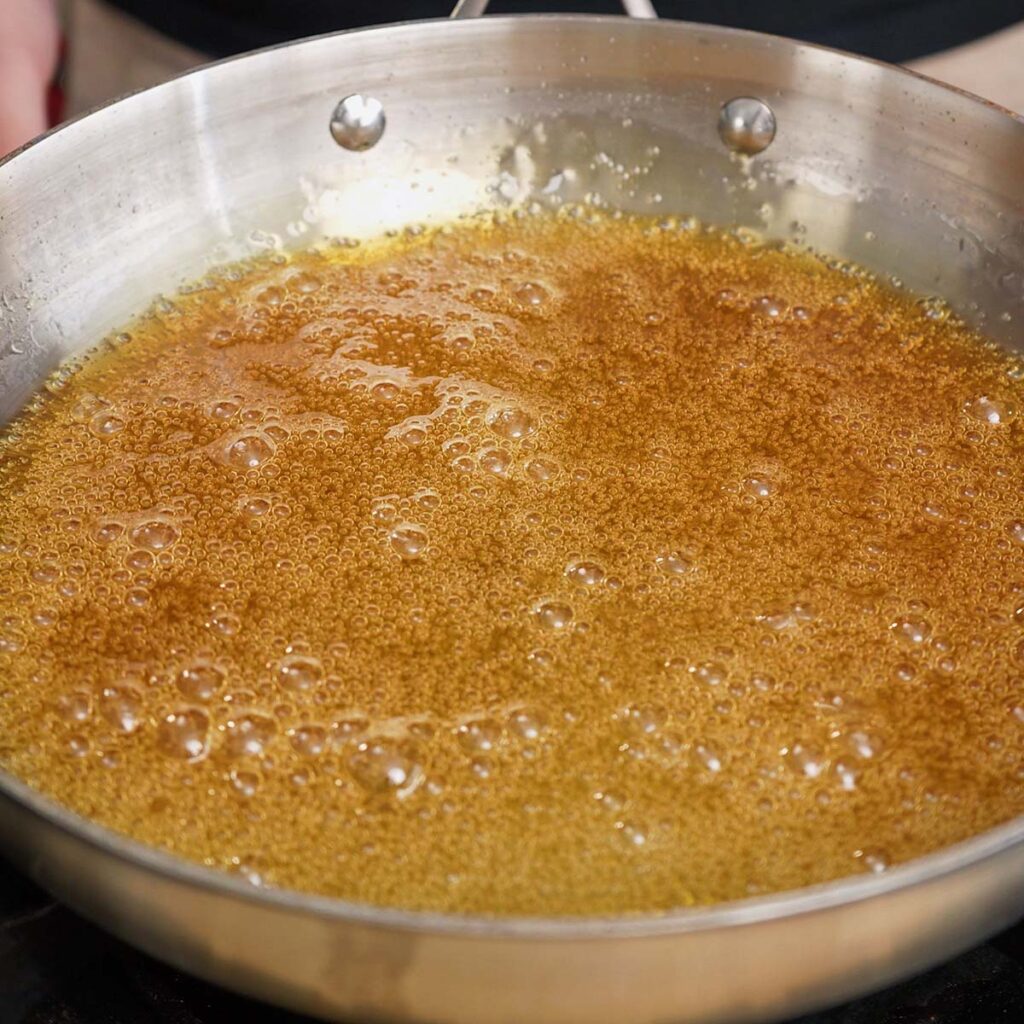
The Science of Caramelization We start by melting exactly one cup of sugar with a half cup of water. Why add water if the goal is pure melted sugar? The water acts as a crucial safety net. It allows the sugar crystals to dissolve evenly and heat at a completely uniform rate, preventing the sugar from crystallizing or burning unevenly in the pan. As the water boils off, the temperature of the pure liquid sugar rises rapidly. Once it hits about 320°F (160°C), thermal decomposition begins—this is the process of caramelization. The sucrose molecules break down into hundreds of new, complex flavor compounds, transforming from sweet and simple to nutty, complex, and a beautiful golden brown.
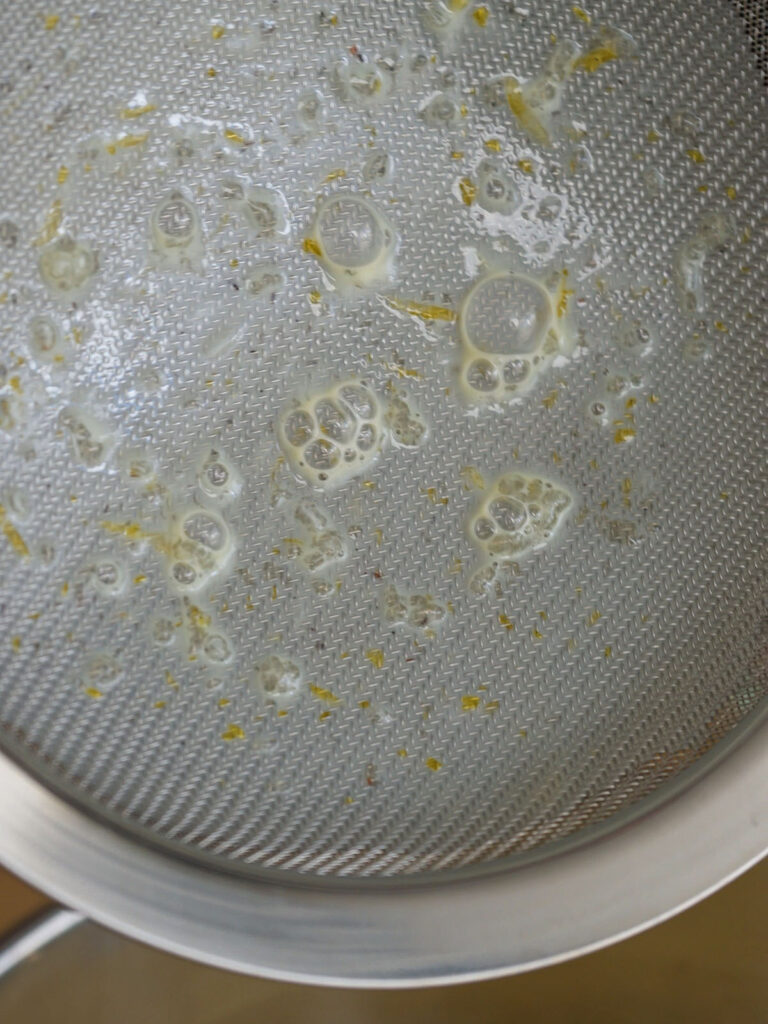
Why We Must Strain the Custard When you whisk eggs, whole milk, and condensed milk together, you are creating a protein suspension. However, eggs naturally contain a structure called the chalaza (the little white, stringy part that anchors the yolk in place). If you pour the mix straight into your ramekins, those stringy bits will bake directly into your homemade flan, ruining the texture. Running the mixture through a fine-mesh strainer catches the chalaza and any un-popped air bubbles, ensuring an absolutely flawless, professional-grade texture.
The Crucial Water Bath (Bain-Marie) This is the single most important step in the entire process. It is difficult to bake a delicate custard without a proper water bath.
Eggs are highly sensitive to heat. The proteins in eggs begin to denature and coagulate (set) between 140°F and 160°F. If you put a ramekin of custard directly into a 350°F oven, the outside of the custard will rapidly overcook, scramble, and boil, creating a rubbery texture full of terrible little holes.
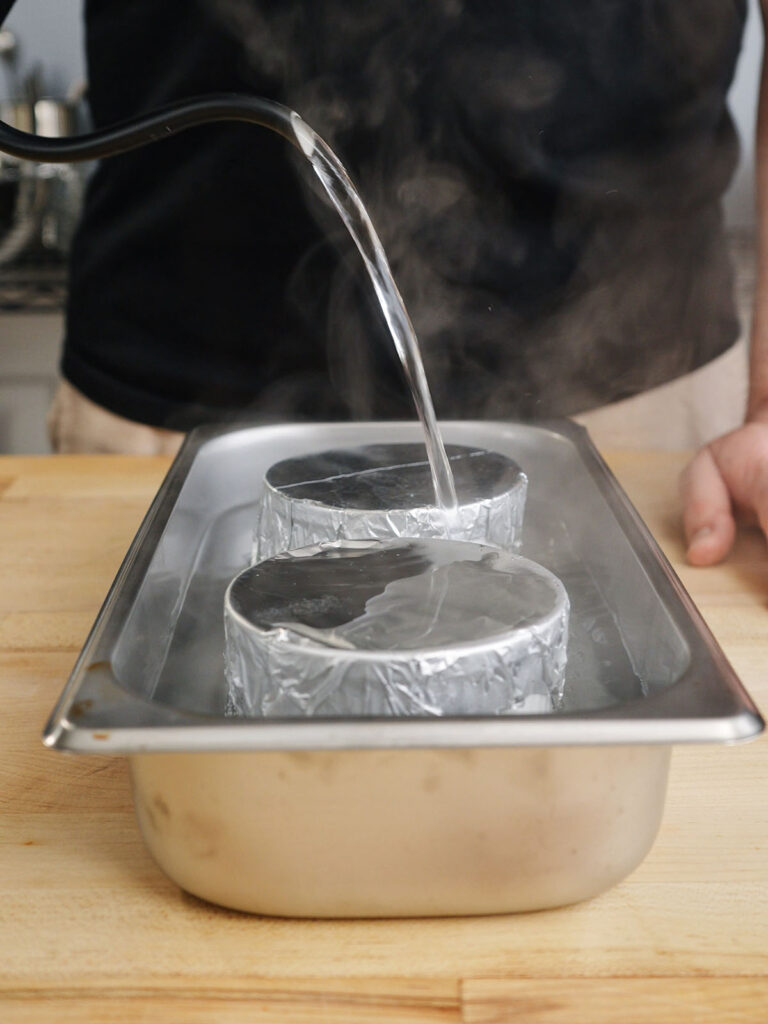
By placing the foil-covered ramekins into a larger pan and filling it halfway with boiling hot water, you use thermodynamics to your advantage. Because water cannot exceed 212°F (100°C) without turning into steam, the water bath acts as an absolute temperature ceiling. More importantly, water has a high heat capacity, meaning it absorbs the harsh, dry heat of the oven and transfers it to the ramekins gently and evenly. This insulates the delicate custard, ensuring it bakes gently and evenly to create a perfectly smooth, luscious homemade flan.
Troubleshooting Your Homemade Flan
Even with a foolproof method, things can occasionally go wrong if you rush the process. Here are a few common issues and exactly how to avoid them:
- Why does my flan taste like scrambled eggs? This means your water bath was either too shallow, or your oven runs entirely too hot. Always ensure the boiling water reaches exactly halfway up the ramekins to properly insulate the eggs.
- Why is my caramel hard at the bottom of the ramekin? This is supposed to happen! When hot caramel hits a room-temperature ceramic ramekin, it rapidly cools and hardens like glass. As the homemade flan bakes and then chills overnight in the fridge, the moisture from the custard slowly dissolves the hard sugar, turning it into a beautiful liquid sauce by the time you unmold it.
- Why does my flan have bubbles on the sides? This happens if you whisked the egg mixture too aggressively, incorporating too much air, or if you skipped the fine-mesh straining step. Whisk gently, let the mixture rest for a minute, and always strain it!
🛒 Shop the Recipe
Having the right tools makes baking this dessert completely stress-free. Here are the exact ingredients and tools I strongly recommend for this recipe:
- Nielsen-Massey Vanilla Bean Paste (Crucial for those beautiful vanilla specks and deep flavor)
- 12oz Ceramic Ramekins (The perfect size for individual portions)
- Fine Mesh Strainer (The secret to an ultra-smooth custard)
- Stainless Steel Hotel Pan (Perfect for creating a safe, deep water bath)
As an Amazon Associate, I earn from qualifying purchases at no extra cost to you!
How to Make This Homemade Flan
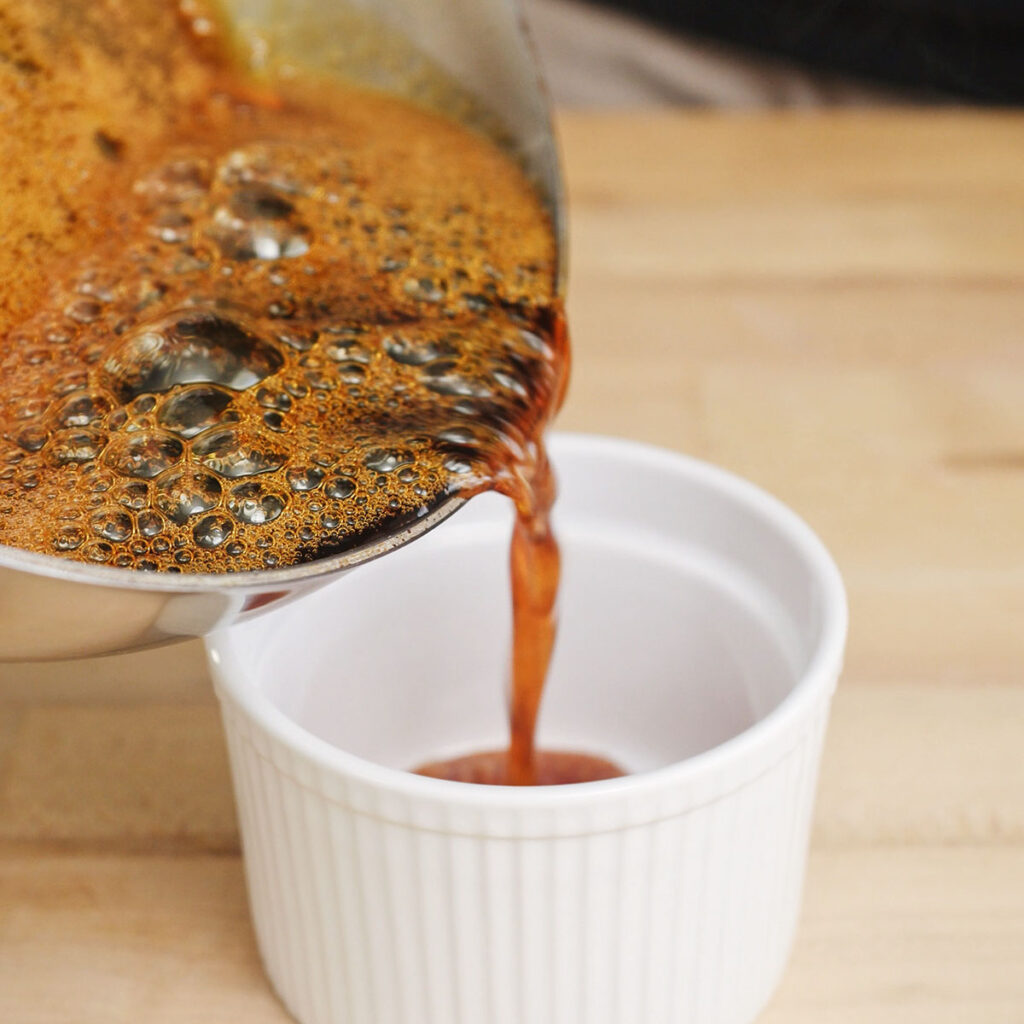
1. Make the Caramel In a heavy-bottomed stainless steel saucepan, combine the sugar and water. Heat over medium heat without stirring (you can swirl the pan very gently if needed) until it turns a deep, rich golden brown. Immediately divide the hot caramel evenly into your ramekins. It will harden quickly—remember, that is completely normal!
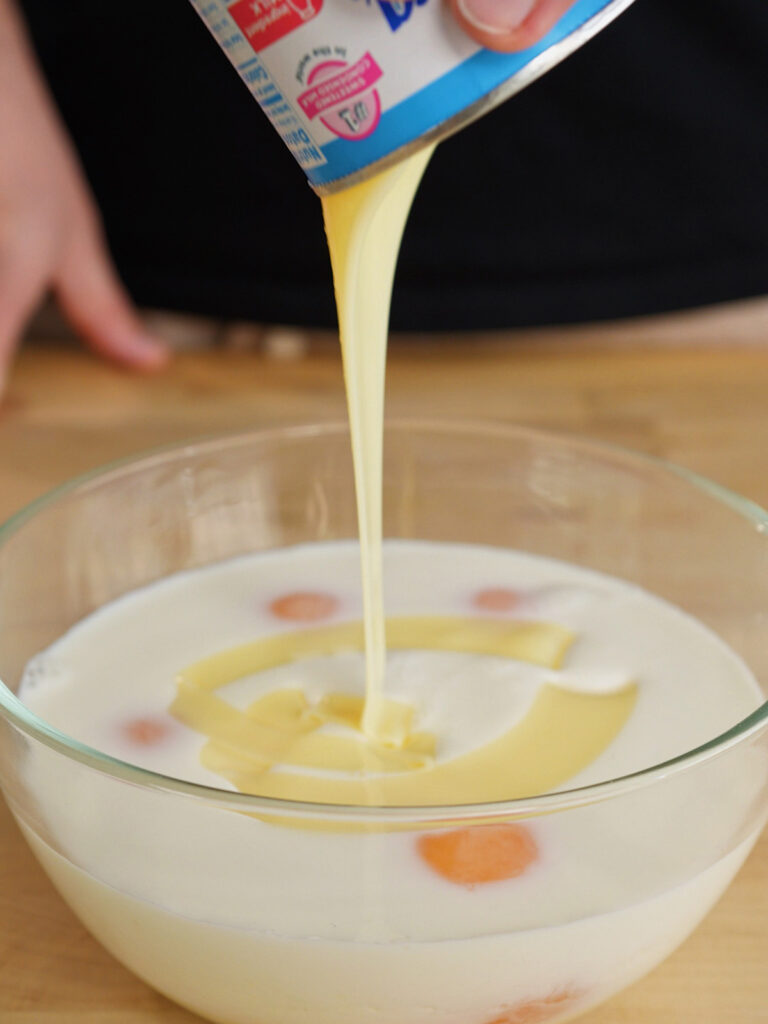
2. Mix the Custard Base In a large mixing bowl, gently whisk together the eggs, whole milk, sweetened condensed milk, and vanilla bean paste. Whisk very gently; you want to thoroughly combine the ingredients without whipping excessive air bubbles into the eggs.
3. Strain for Perfection Pour the custard mixture directly through a fine-mesh strainer into a large measuring cup or a pitcher with a pouring spout. Discard any of the egg solids or chalaza left behind in the strainer.
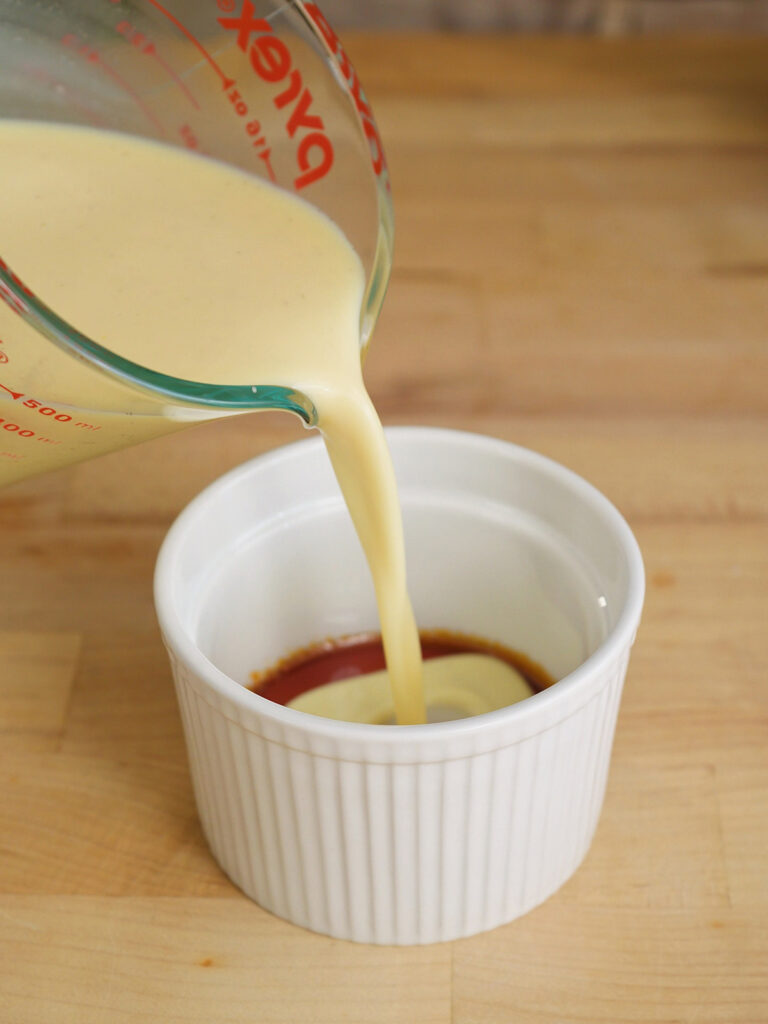
4. Prep the Water Bath Divide the strained custard evenly among the ramekins, pouring it directly over the hardened caramel layer. Cover each ramekin tightly with a square of aluminum foil to trap the steam and prevent a tough skin from forming on top of the flan. Place the covered ramekins into a deep baking dish or roasting pan.
5. Bake Gently Carefully pour boiling hot water into the roasting pan until it reaches halfway up the exterior sides of the ramekins. Carefully transfer the heavy pan to a 350°F oven and bake for 50-60 minutes. The exact time will depend slightly on the thickness of your ramekins, but look for a uniform jiggle in the center when you gently shake them.
6. Chill and Unmold Remove the ramekins from the hot water bath and let them cool completely at room temperature, then transfer them to the fridge to chill thoroughly (at least 4 hours, but preferably overnight for the best texture). To serve, run a thin paring knife around the edge of the flan, place a serving plate on top, and quickly invert it.
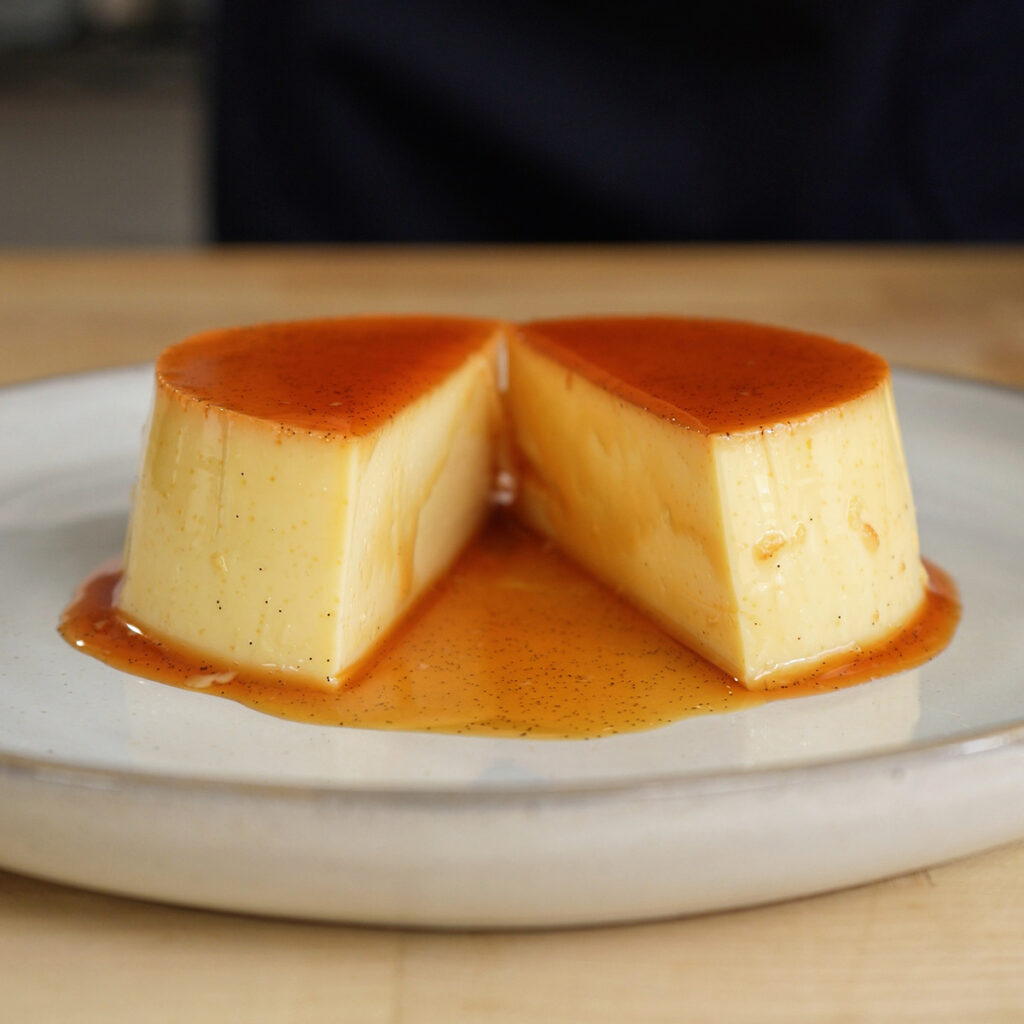
The Best Homemade Flan
Ingredients
Method
- Preheat the Oven: Preheat your oven to 350°F (175°C) and boil a kettle of water for the water bath.
- Make the Caramel: In a small saucepan, combine the sugar and water. Cook over medium-high heat until the sugar dissolves and turns a rich, golden brown. Do not stir with a spoon; simply swirl the pan gently.
- Coat the Ramekins: Immediately pour the hot caramel evenly into the bottom of your ramekins. Pour Just enough to coat the bottom. Set aside (the caramel will harden, which is expected).
- Mix the Custard: In a large bowl, gently whisk the eggs, whole milk, sweetened condensed milk, and vanilla bean paste until completely smooth. Whisk gently to keep incorporated air bubbles to a minimum.
- Strain the Mixture: Pour the custard base through a fine-mesh strainer into a pouring vessel. Discard any egg solids left in the strainer.
- Fill and Cover: Pour the strained custard into the ramekins over the hardened caramel. Cover each ramekin tightly with aluminum foil.
- Create the Water Bath: Place the covered ramekins into a large, deep baking pan. Carefully pour boiling water into the pan until the water reaches halfway up the sides of the ramekins.
- Bake: Carefully transfer the pan to the oven and bake at 350°F for 50-60 minutes, or until the edges are set but the center still has a slight jiggle.
- Chill and Serve: Remove the ramekins from the water bath and allow them to cool to room temperature. Transfer to the refrigerator for at least 4 hours (or overnight). To serve, run a thin knife around the inside edge of the ramekin, place a serving plate upside down on top, and quickly flip to invert the flan. Enjoy!